
Personal Care vs Companion Care: Which Is Right for Seniors?
Deciding on the best daily support model for an aging relative often brings difficult family conversations. Evaluating Personal Care vs Companion Care empowers family members to select appropriate home support with absolute clarity. When people grow older, they should be able to remain in their own homes with high levels of independence and feeling safe, happy, and healthy – and the right support can help them do just that.
Families are often not sure what type of services would best fit their parents' daily health needs. At Benevolence Care, we offer a special, non-medical care plan for your beloved loved one, which will be based on your loved one's current lifestyle. These resources, combined with committed care providers, restore comfort, personal dignity, and peace of mind for the family each day when they are required for seniors.
The Importance of Custom In-Home Senior Assistance
What are the reasons that families are opting for in-home care instead of institutional senior living facilities today? Staying at home gives older people in Monroe and this area an opportunity to keep engaged in daily activities that are important to them. Living in routines and familiar spaces helps to maintain mental state and reduce emotional stress greatly. Care plans are tailored and flexible to changing health or mobility requirements over time. Families are entirely responsible for the timing of care, matching of caregivers, and their personal care preferences. Professional home help provides the daily security you need, and respects your parent's choice.
Exploring Companion Care Features
Is your parent unable to maintain regular contact with anyone? Companion Care Services are primarily mental stimulation, emotional support, and routine housekeeping. Visiting friends to seniors' homes for conversation, light chores, and to keep seniors active.
This type of support is suitable for elderly people who can care for their own needs, and just need a little extra help to complete tasks around the house. Having a companion of your own can combat the sense of loneliness and enhance life naturally.
Companion Caregivers carry out several valuable duties such as:
Social Engagement: having conversations, playing board games, reading books, and walking outside.
Light Housekeeping: Kitchen cleaning, dusting, laundry, and garbage pickup.
Nutritious Meal Prep: Preparing healthy, home-cooked meals for different dietary requirements.
To drive safely to pickups at pharmacies, shopping, and local family events.
Understanding Personal Care vs Companion Care Differences
Does your parent have issues balancing when standing alone or getting in and out of the bathtub? Those who have physical mobility limitations receive much-needed hands-on services from Personal Care Services. Personal care and physical mobility by trained personnel in a respectful and dignified manner. No senior's immobility is a barrier to having a comfortable life at home. Special training is given to caregivers in weight transfers and in providing personal care in a safe manner. Frequent low-level physical support decreases the number of falls in the home and in the shower area by a significant amount.
Exploring Personal Care Features
Does your parent experience balance issues or struggle with bathing safely alone? Personal Care Services deliver essential hands-on assistance for individuals facing physical mobility challenges. Trained caregivers provide respectful, dignified support with personal hygiene and physical movement.
Comparing Care Levels Side by Side
Bathing & Grooming: Support in a safe manner with showering, hair care, shaving, and oral hygiene.
Assisting seniors in getting dressed in clean clothes in a comfortable manner during the morning, providing assistance with dressing.
Mobility Transfers: Movement from standing, moving from room to room, and transferring from sitting in chairs.
Toileting Support: Assistance in toileting and personal hygiene: Private and Dignified.
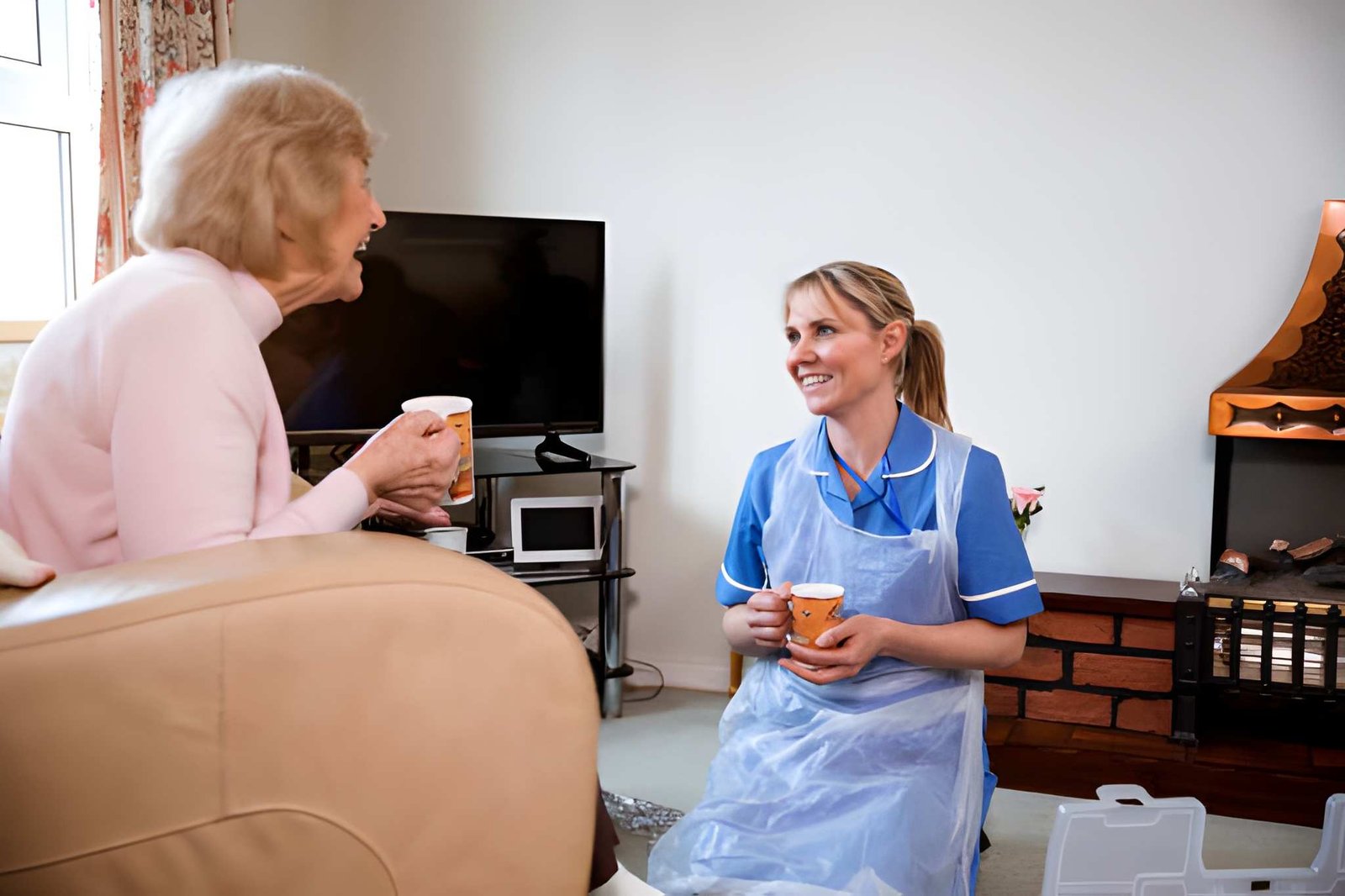
Comparing Care Levels Side by Side
A comparison of the two types of services will assist you in deciding which type of service is the best for your parent. Benevolence Care provides flexible plans that seamlessly blend some of the features of both types of service.
Signs Your Loved One Needs Companion Support
Knowing the willingness to change around the home environment gives you an idea of your parent's true daily needs.
Experiences loneliness, boredom, or sadness frequently.
Struggles to follow the usual routines related to cooking, preparing meals or dishes, or dishwashing.
Must have dependable transportation to neighborhood activities and/or doctor appointments.
Has fair physical mobility, but has not learned about daily activities in the home.
Making the Right Choice for Your Family
A comprehensive assessment of Personal Care vs. Companion Care can help to make sure your parent receives tailored care daily. Benevolence Care supports families in the Hudson Valley with compassion, knowledge, and truth to help them understand the care options available.
Make a home visit to your parent(s) and discuss their activities.
To be able to see individual and tailored care arrangements for specific health and safety needs.
Work with providers who value senior independence and are caring.
Keep up with our latest tips, ideas, and updates on Instagram.
Frequently Asked Questions
What is the main difference between companion and personal care?
Companion Care” is care without a hands-on approach, including socializing, cooking, and light housekeeping. Personal care is care that is direct and hands-on, assisting with bathing, dressing, grooming, and mobility.
Could a transition from companion care to personal care be achieved at a later stage?
Yes, care plans are still very flexible. We periodically monitor the provision of care without stressing the child.
Is our parent assigned to the same caregiver regularly?
Yes, we do try to place caregivers consistently. The use of the same caregiver helps to establish a level of trust, reduce client anxiety, and maintain a safe home environment when we are using the same caregiver.
What's the earliest time that home care can start?
Services can begin right after a free in-home consultation and development of a personalized care plan.
Are there ways to help with care outside of the medical field for seniors with memory problems?
Yes, with the help of a trained caregiver, a structured routine will be provided that will help minimize anxiety and cognitive dysfunction at home in a safe environment.
Request Your Custom Care Comparison Consultation Today
Not sure whether a companion care service or hands-on care by someone would be best right now? Our experienced staff can determine the mobility of your family member and what their social needs are. Benevolence Care offers complimentary and convenient assessments at your parents' home. Give our Monroe office a call today, or sign up online for your complimentary consultation to discover care that's right for you!
